Organizing spaces is one of the best ways to make your home or office more functional, clean, and visually appealing. With a bit of creativity and some simple tips, you can turn cluttered areas into organized havens. Here’s a guide to the best ideas for organizing spaces, explained in simple English and designed to inspire your next project.
Why Organizing Spaces is Important
Reduces Stress: A clean and organized space helps you think clearly and feel relaxed.
Saves Time: When everything has its place, you don’t waste time looking for things.
Increases Productivity: A tidy environment makes it easier to focus on tasks.
Maximizes Space: Organizing helps you use every inch of your space efficiently.
Ideas for Organizing Spaces
1. Declutter First
What to Do: Go through all your items and decide what to keep, donate, or throw away.
Why It Works: Decluttering makes it easier to organize only the things you truly need.
Tip: Use the “one-year rule.” If you haven’t used it in a year, consider letting it go.
2. Use Baskets and Bins
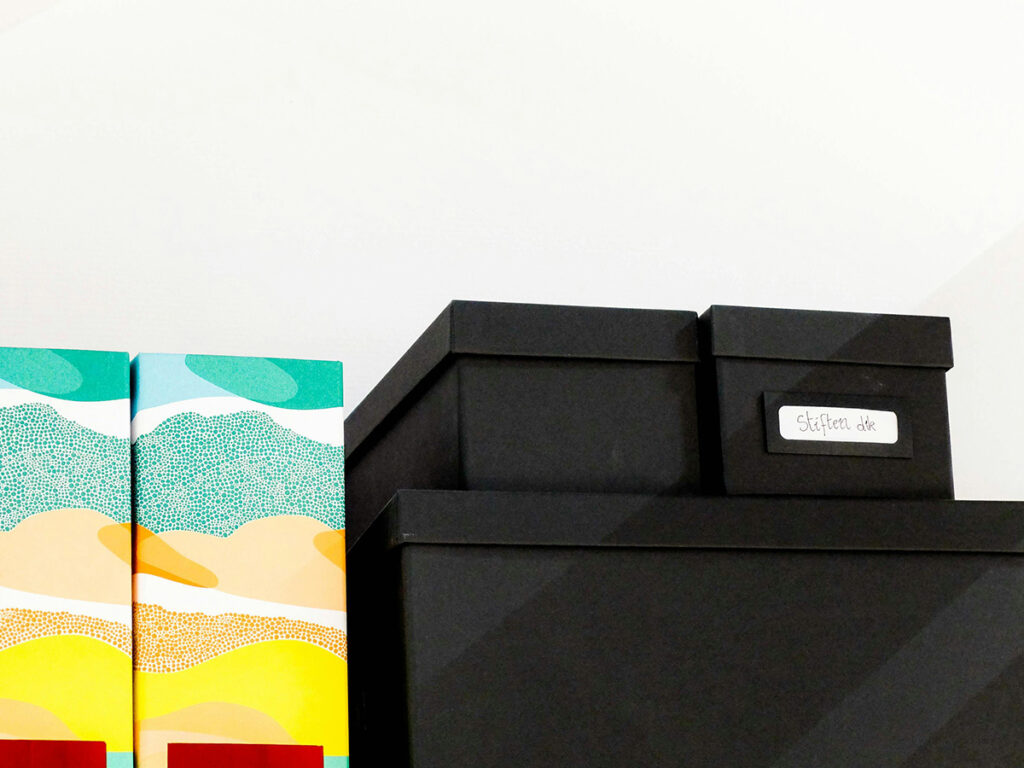
What to Do: Group similar items in baskets or bins for easy access.
Why It Works: Keeps items contained and prevents clutter from spreading.
Examples: Use baskets for toys, craft supplies, or cleaning products.
Bonus Tip: Label the bins so everyone knows where things belong.
3. Maximize Vertical Space
What to Do: Install shelves, hooks, or pegboards on walls.
Why It Works: Makes use of unused wall space and keeps surfaces clear.
Examples: Add floating shelves in the kitchen for spices or hooks in the hallway for coats.
4. Create Zones
What to Do: Divide spaces into zones based on their function.
Why It Works: Helps maintain order by keeping related items together.
Examples: In your home office, create zones for paperwork, supplies, and electronics.
5. Invest in Drawer Organizers
What to Do: Use dividers to separate items in drawers.
Why It Works: Keeps small items from getting jumbled together.
Examples: Use organizers for kitchen utensils, office supplies, or makeup.
6. Utilize Under-Bed Storage
What to Do: Store seasonal clothing, shoes, or extra linens under the bed.
Why It Works: Makes use of a space that often goes unused.
Tip: Use clear bins or bags so you can see what’s inside.
7. Organize Cables and Electronics
What to Do: Use cable ties, clips, or a cable management box to tidy up cords.
Why It Works: Prevents tangles and keeps your workspace neat.
Examples: Label cords for easy identification and use Velcro straps to bundle them.
8. Use Clear Containers
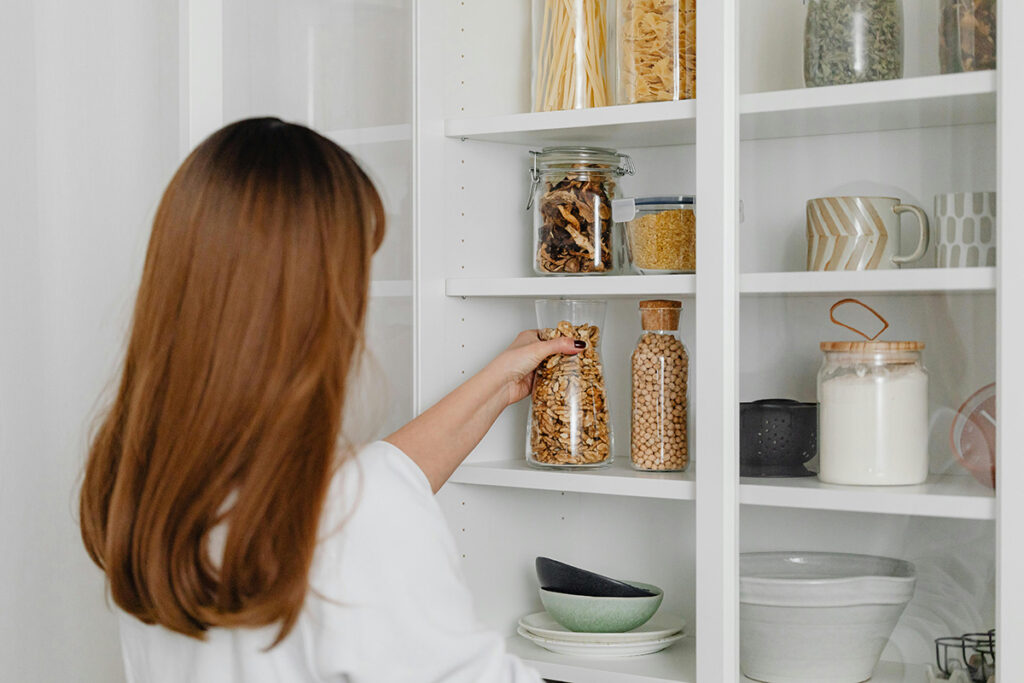
What to Do: Store items in clear containers so you can see what’s inside.
Why It Works: Saves time searching and looks visually appealing.
Examples: Use clear jars for pantry items like flour, sugar, and pasta.
9. Hang Items Behind Doors
What to Do: Install over-the-door organizers or hooks.
Why It Works: Utilizes an often-overlooked space.
Examples: Hang shoe organizers, cleaning supplies, or accessories.
10. Rotate Seasonal Items
What to Do: Store off-season clothes, decor, and gear in labeled bins.
Why It Works: Frees up space for the things you use most often.
Tip: Store seasonal bins in the attic, garage, or under the bed.
11. Create a “Drop Zone”
What to Do: Set up a designated area near the entryway for keys, bags, and shoes.
Why It Works: Keeps daily essentials in one place and reduces clutter.
Examples: Use a small table with hooks and a tray for keys.
12. Label Everything
What to Do: Use labels to identify what’s in bins, drawers, or shelves.
Why It Works: Makes it easy for everyone to find and return items.
Tip: Use a label maker or printable labels for a polished look.
13. Organize by Color
What to Do: Arrange books, clothes, or items by color.
Why It Works: Creates a visually appealing and harmonious look.
Examples: Sort bookshelves into rainbow order or color-code your wardrobe.
14. Repurpose Items
What to Do: Use everyday items in new ways to organize.
Why It Works: Saves money and reduces waste.
Examples: Use mason jars for office supplies or an old ladder as a bookshelf.
15. Keep Surfaces Clear
What to Do: Avoid piling items on desks, counters, or tables.
Why It Works: Makes spaces look cleaner and more open.
Tip: Use trays or catch-all containers for loose items.
Maintenance Tips
Set a Schedule: Dedicate time each week to tidy up and reorganize.
Adopt the “One In, One Out” Rule: For every new item you bring in, remove an old one.
Involve the Whole Family: Assign tasks to everyone so maintaining order is a shared responsibility.
Final Thoughts
Organizing spaces doesn’t have to be overwhelming. By starting with small, manageable steps and using these creative ideas, you can transform your home or office into a tidy and functional environment. Remember, the key is consistency—a little effort each day can lead to long-term results. So, pick a project and get started on your organizing journey today!