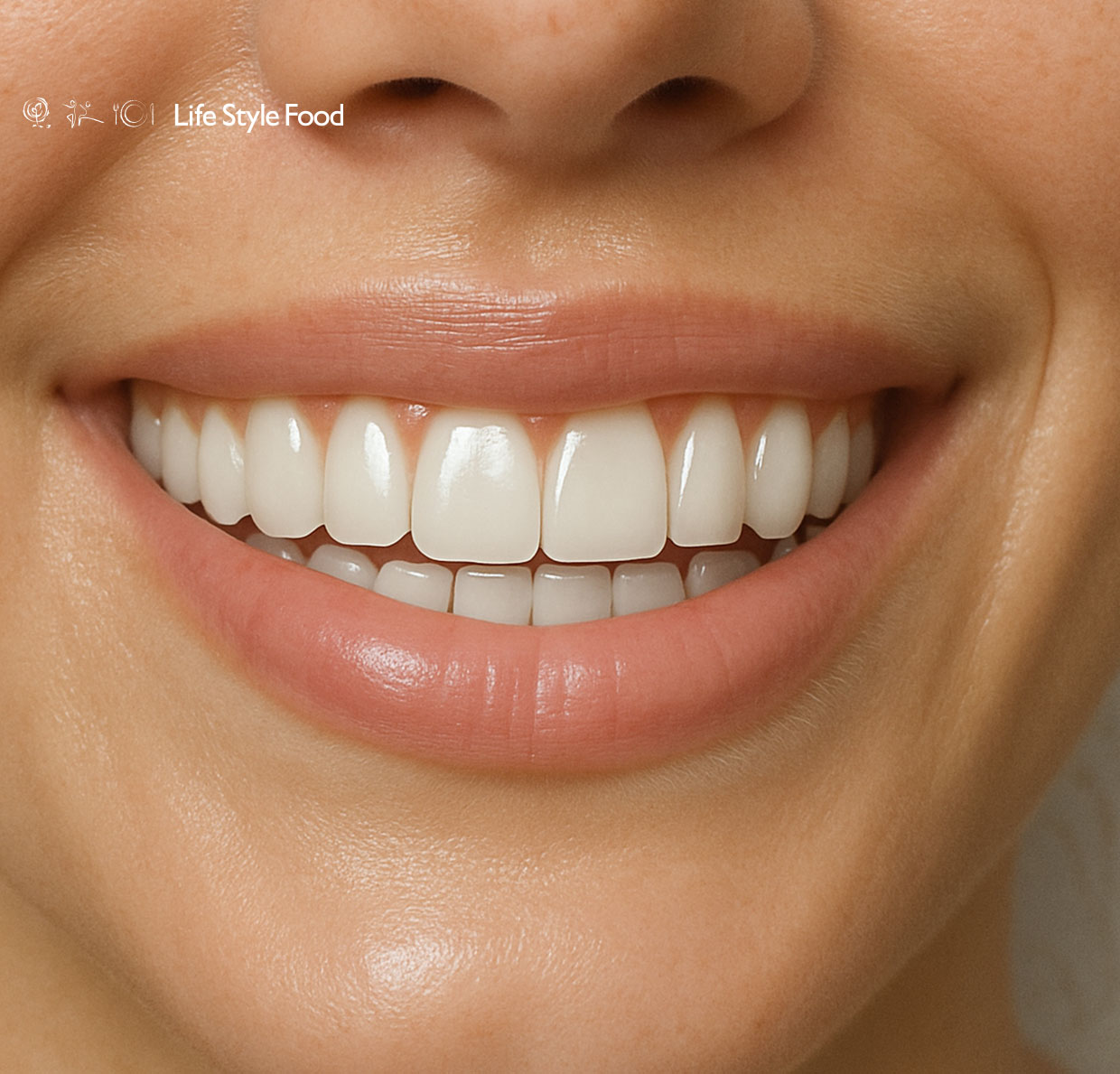
1. What is teeth salt brushing and how is it different from mouthwash?
Teeth salt brushing is used in two forms:
- Salt for gentle scrubbing: Coarse or fine salt is mixed with a little water to create a paste, which is applied with the toothbrush.
- Saltwater rinse (gargle): ½–1 teaspoon of salt dissolved in about 240 ml of lukewarm water, which is swished around the mouth for 15–30 seconds.
2. Benefits of using salt
2.1 Antimicrobial action
Salt creates an alkaline environment that limits bacterial growth and helps balance the pH in the mouth. This reduces tooth decay and gum infections.
2.2 Cleaning and stain removal
The natural abrasiveness of salt helps wipe away plaque and superficial stains, improving the appearance of teeth.
2.3 Healing irritations
After dental surgery or injury, saltwater rinses promote healing and reduce swelling.
2.4 Budget-friendly & natural
Salt is inexpensive, easy to use, and free from chemicals or preservatives.
2.5 Fresher breath
For some people, salt reduces bacteria that cause bad breath.
3. Precautions & Possible Risks
3.1 Enamel wear
Salt is abrasive. Frequent use in strong forms can wear down enamel and cause sensitivity.
3.2 Gum irritation
Excessive use of salt can cause irritation or inflammation of the gums.
3.3 Lack of fluoride
Salt does not contain fluoride, which is essential for strengthening teeth and preventing decay.
3.4 Taste
Strong salt can be unpleasant and off-putting, especially for those who prefer a fresher taste in their oral care routine.
4. The most suitable type of salt
Fine salt (table salt): The best and gentlest choice for toothbrush use and rinsing.
Sea salt: Can be used but should be processed and not too coarse.
Avoid very coarse “natural” salts, as they can be too rough. Finely ground salt is always recommended.
5. How to apply it
5.1 Salt–paste brushing
Mix ½ teaspoon of salt with a tiny amount of water.
Slightly wet the toothbrush.
Dip the toothbrush into the paste.
Brush gently in circular motions for 1–2 minutes.
Rinse the mouth well with water.
Follow with a fluoride toothpaste for full protection.
5.2 Simple rinse (gargling)
Dissolve ½–1 teaspoon of salt in 240 ml of lukewarm water.
Gargle for 15–30 seconds.
Spit out and rinse with clean water.
Repeat 1–3 times a day, depending on your needs.
6. Frequency of use
Salt paste: 1–2 times per week, combined with daily fluoride toothpaste use.
Saltwater rinse: 1–2 times daily, up to 3 times in cases of surgery or irritation.
Toothbrushing: Twice daily with fluoride toothpaste for 2 minutes.
Floss & mouthwash: Daily for better interdental care.
7. Benefits at a glance
Antibacterial & pH balancing
Cleans stains & plaque
Soothes & heals gums
Temporary relief from toothache
Affordable & eco-friendly choice
8. Combining it with daily care
Salt cannot replace fluoride toothpaste or professional dental care.
Best combined routine:
| Day | Morning | Evening |
|---|---|---|
| Daily | Fluoride brushing 2 min + floss | Optional saltwater rinse |
| Monday/Thursday | Salt paste + fluoride brushing | Normal brushing + rinse if needed |
9. Frequently asked questions
Is it harmful to the tooth pulp?
No, if used gently. Overuse can erode enamel though.
Can I do it every day?
Salt paste only 1–2 times a week. The rinse can be done daily but not excessively.
Will it whiten my teeth a lot?
Not dramatically. It can reduce surface stains but for noticeable whitening you need whitening toothpaste or professional treatments.
What about high blood pressure?
The small amount of salt used topically won’t affect your blood pressure, but still use in moderation.
Is it safe for kids?
Children should use very little or no salt on the toothbrush—only rinses under supervision, without swallowing.
10. Conclusion
Salt is:
An effective natural mild cleaner for occasional use.
Antibacterial & soothing as a rinse for natural oral care.
Budget-friendly & environmentally friendly.
However:
It does not replace fluoride toothpaste or dental visits.
Use it with moderation and care, especially if you have sensitive teeth or gums.
The ideal recipe is:
Finely ground salt → once or twice a week for mild brushing + saltwater rinses 1–2 times a day as a supplement + daily fluoride care and professional check-ups.
📌 Final note:
Use salt brushing wisely—it’s a great supplement, but not a substitute for proper oral care. Always consult your dentist before adding it regularly to your routine.
Source:
- Bluebird Family Dentistry & Orthodontics
- Verywell Health
- Burton Family Dental
- dentistryforyousandsprings.com
- Healthline
- drkorwin.com
- colgate.com
- baymeadowsparkdental.com
- newtondentalstudio.com
- Custer Creek Dental Care
- Dawson Modern Dentistry – Matthews
- South City Pediatric Dentistry
- en.wikipedia.org