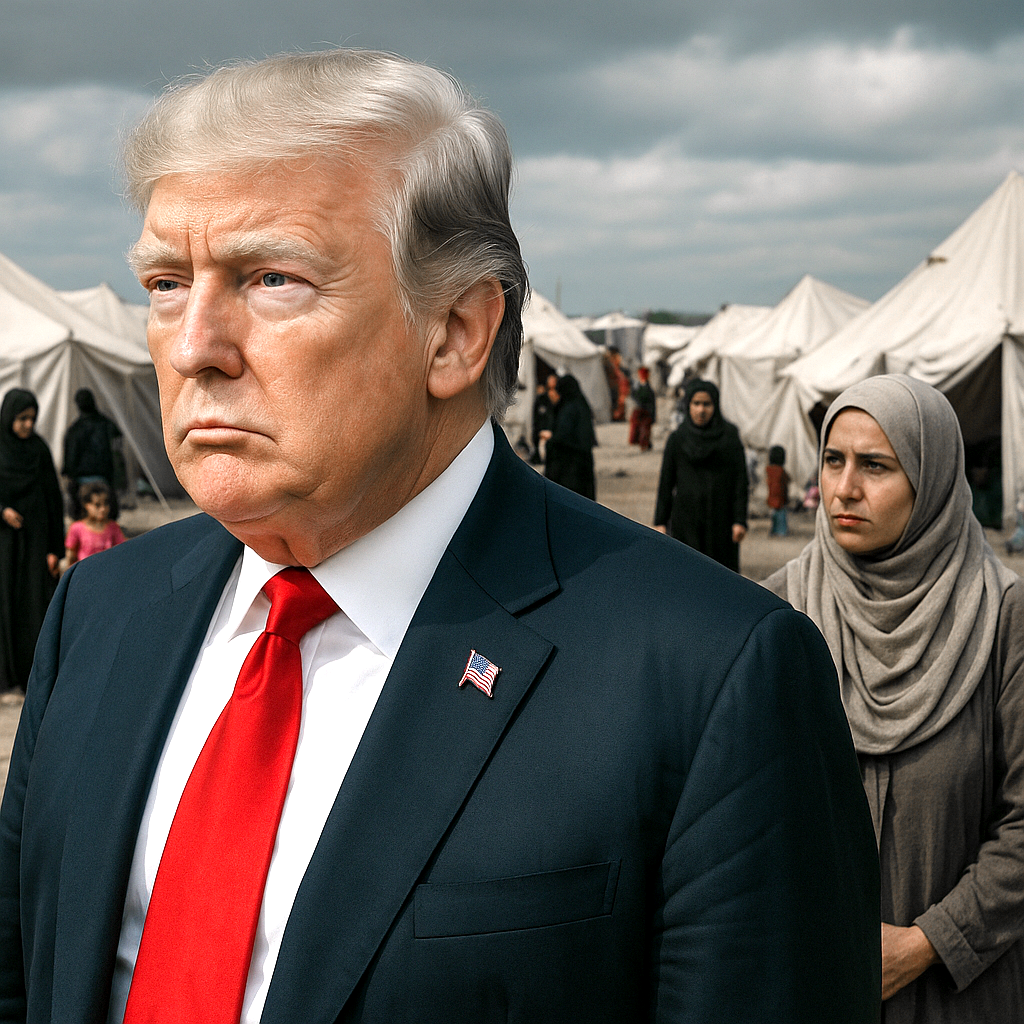
In the ongoing debate over asylum and migration, a new Refugee Reform Policy has been proposed that could fundamentally transform a system designed to protect the world’s most vulnerable people. The proposal appears to favor white refugees claiming persecution, raising major concerns about equality, fairness, and human rights.
The Refugee Reform Policy and Its Main Objectives
The new Refugee Reform Policy seeks to modify the rules and procedures of asylum, emphasizing certain groups of refugees while excluding others. Its stated aim is to prioritize individuals facing persecution in countries where white populations are in the minority.
Analysts have been evaluating:
The potential consequences of this reform for refugee communities.
Comparisons between the proposed system and current asylum procedures.
The broader social implications for American society.
Historical Context of the Refugee Reform Policy
Το προσφυγικό πρόγραμμα των Ηνωμένων Πολιτειών έχει σχεδιαστεί να παρέχει καταφύγιο και υποστήριξη στους πιο ευάλωτους ανθρώπους από διάφορες γωνιές του πλανήτη. Ιστορικά, το πρόγραμμα αυτό έχει επικεντρωθεί στην προστασία εκείνων που έχουν διωχθεί λόγω φυλετικών, θρησκευτικών ή πολιτικών λόγων. Ωστόσο, η τρέχουσα πρόταση του Τραμπ αναδεικνύει μια στροφή στην κατεύθυνση ρατσιστικών και διακρίσεων επιλογών.
Impact on Syrian, Afghan, and Other Refugee Populations
If the Refugee Reform Policy is implemented, Syrian, Afghan, and other vulnerable groups may encounter serious obstacles to entering the United States. Experts have warned that their needs may be minimized or disregarded entirely, at a time when refugee crises worldwide are escalating.
Public and Political Reactions to the Refugee Reform Policy
The idea of restructuring the refugee system has sparked strong opposition from humanitarian organizations, political leaders, and international institutions.
NGOs have emphasized that refugee aid must remain unbiased and inclusive.
Critics have described the Refugee Reform Policy as discriminatory and unjust.
Global institutions have warned that it could lead to new humanitarian crises.
Humanitarian and Legal Dimensions of the Refugee Reform Policy
International treaties governing asylum guarantee protection without regard to race or ethnicity. The proposed Refugee Reform Policy challenges these global commitments and raises questions about the U.S. dedication to its international humanitarian obligations.
Global Consequences of the Refugee Reform Policy
Changes introduced through the Refugee Reform Policy could have far-reaching implications for international stability. Countries already burdened by war and persecution may be left to manage increased refugee flows alone. This policy shift could discourage refugees from seeking protection in the United States and worsen global humanitarian challenges.
Conclusion
The proposed Refugee Reform Policy represents a dangerous precedent that may endanger thousands of lives. The effectiveness of the refugee system depends on the continued protection of vulnerable individuals without bias. The world community must assess these reforms carefully to ensure that the principles of humanity and solidarity remain protected.