In today’s fast-paced world, stress affects nearly everyone. Packed schedules, financial responsibilities, and constant digital distractions push our minds and bodies to the limit. If stress isn’t managed, it can lead to burnout, anxiety, poor sleep, and other health issues.
The good news? Stress relief doesn’t require expensive tools or complicated routines. In this guide, you’ll learn six simple, zero-cost stress management techniques that you can practice anywhere, anytime.
What is stress and why stress management matters
Stress happens when life’s demands exceed your ability to cope. Common causes include work pressure, relationship struggles, financial worries, or even information overload.
Effects of stress on the body and mind:
Physical: headaches, muscle tension, fatigue, poor sleep
Mental/emotional: irritability, constant worry, sadness, trouble focusing
Stress management means building healthy habits that restore balance. When practiced regularly, these techniques help improve mood, boost energy, and bring a greater sense of calm to daily life.
How to deal with stress – 6 free and simple methods
1. Deep breathing (quick stress relief technique)
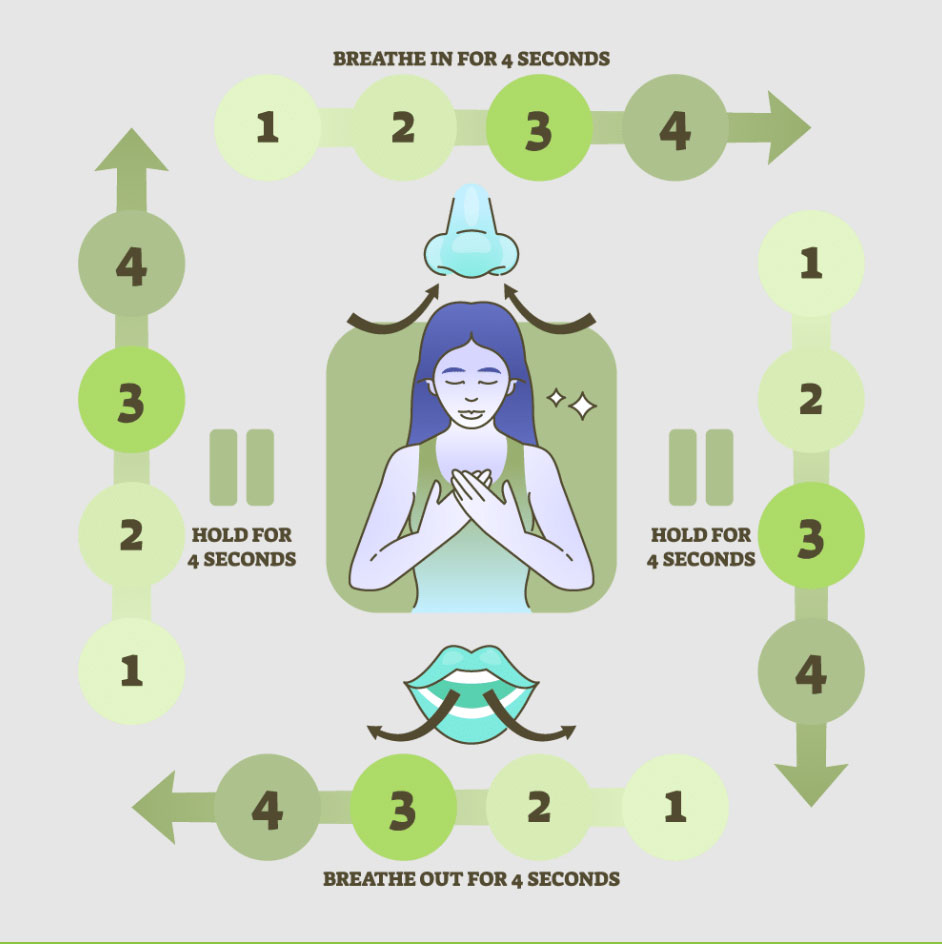
Deep breathing is one of the fastest ways to relax. Sit comfortably, place a hand on your stomach, and breathe in through your nose for four counts. Let your belly rise. Then exhale slowly through your mouth for another four counts. Repeat several times.
This signals safety to your brain, slows the heart rate, and releases tension. You can use it anywhere — at work, during commutes, or before bed.
2. Progressive muscle relaxation (releasing hidden tension)
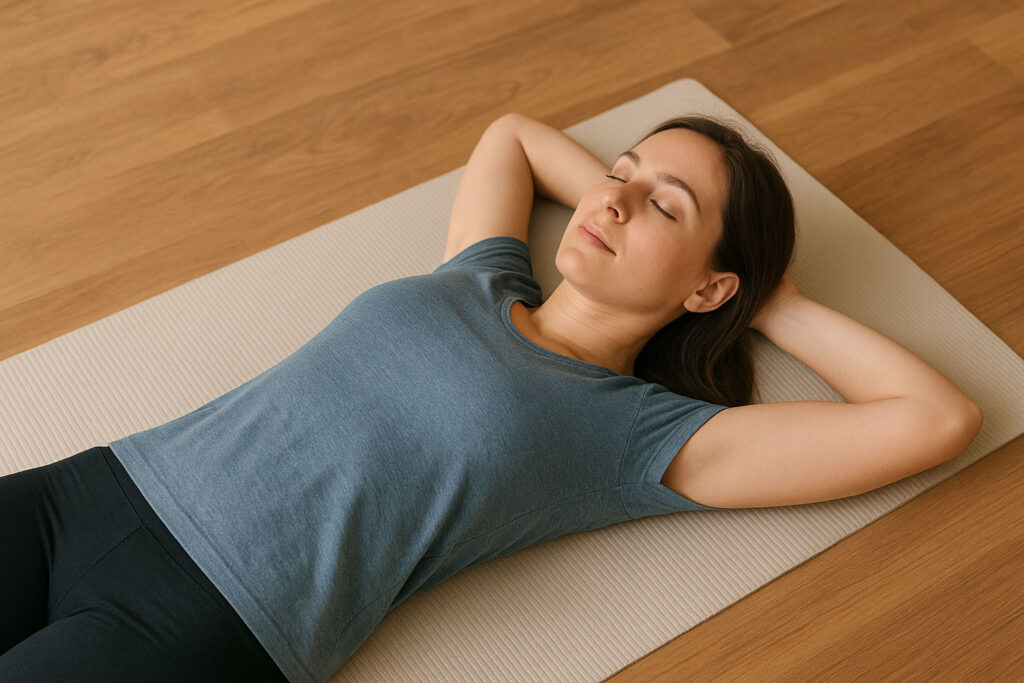
This technique involves tensing and relaxing different muscle groups from head to toe. Start with your forehead, then move to your jaw, shoulders, arms, stomach, and feet.
As you release each area, notice how your body feels lighter. This method is especially helpful before sleep or after a long day.
3. Mindfulness and visualization (calming the mind)
Mindfulness means focusing on the present moment without judgment. Visualization adds relaxation by imagining a peaceful place — like a quiet beach, forest, or garden.
Picture the sights, sounds, and sensations until your body begins to feel the calm as if you were truly there.

4. Gentle movement or short walks (exercise for stress relief)
Movement is a natural stress reducer. Take a short walk outside, stretch your body, or try light yoga. Even 10 minutes can boost mood and circulation while easing built-up tension.
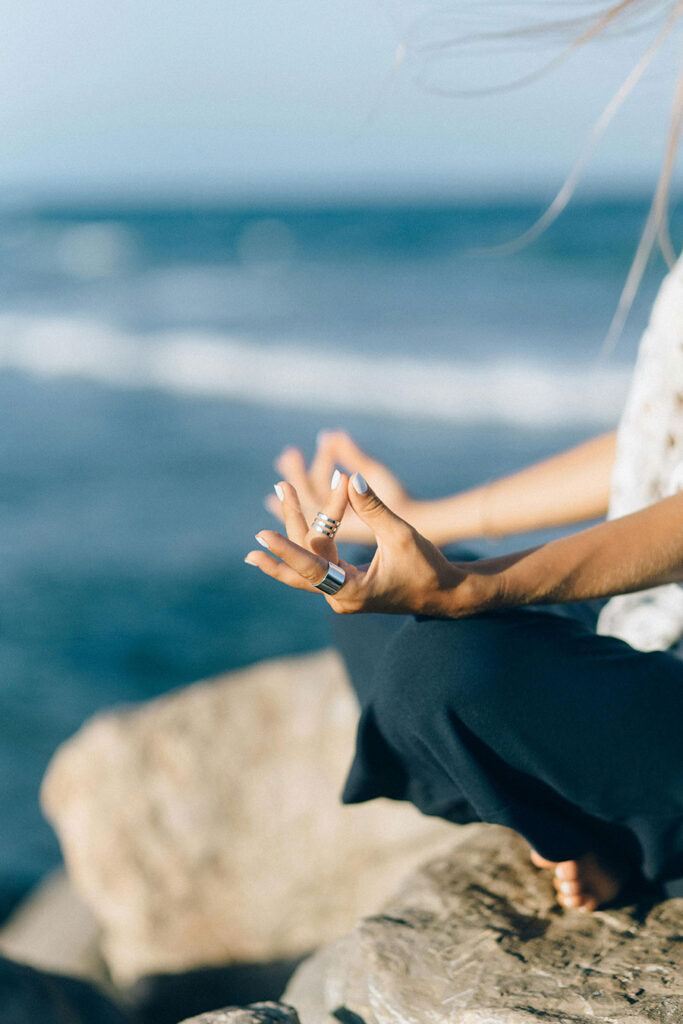
5. Nature time (stress relief in outdoor spaces)
Time in nature is linked to lower stress and better mood. You don’t need a forest — a local park, backyard, or even a balcony with plants can help.
Notice the sounds of birds, the movement of trees, and the feel of fresh air. Just a few minutes outside can reset your mind.
6. Engaging the senses (quick, sensory-based stress relief)
Your senses are powerful tools for calming the nervous system. Try inhaling a soothing scent, holding a warm drink, listening to calming sounds, or focusing on a favorite flavor.
These sensory experiences shift your mind away from worry and toward comfort.
Conclusion
Stress is a normal part of life, but it doesn’t have to control you. By practicing simple techniques — like deep breathing, progressive relaxation, visualization, movement, nature breaks, and sensory grounding — you can calm your mind and body anytime, anywhere.
The best part? These methods are free, accessible, and effective. With regular practice, you’ll build resilience, improve your health, and enjoy a calmer, more balanced life.
Quick summary of stress management techniques
Breathing exercises calm body and mind.
Muscle relaxation releases physical tension.
Mindfulness & visualization create mental peace.
Gentle movement refreshes mood and energy.
Nature time restores balance and focus.
Sensory grounding redirects attention away from stress.
FAQs about stress relief and stress management
Q1. What are the most effective stress relief techniques?
Some of the best stress relief techniques include deep breathing, progressive muscle relaxation, mindfulness, gentle exercise, spending time in nature, and using the senses. They’re simple, free, and effective for everyday life.
Q2. How can I deal with stress quickly at work?
Try a two-minute breathing exercise, stretch at your desk, take a short walk, or listen to calming music with headphones. Small breaks throughout the day help prevent stress from building up.
Q3. What are some natural stress relief methods?
Natural options include meditation, yoga, herbal teas, aromatherapy, time outdoors, and mindfulness practices. These methods don’t rely on medication or special equipment.
Q4. Can exercise help with stress management?
Yes. Exercise releases endorphins, which improve mood and reduce tension. Even light activity — like walking, stretching, or gentle yoga — is effective.
Q5. What is the difference between stress relief and stress management?
Stress relief refers to quick methods for reducing tension in the moment (like breathing exercises). Stress management focuses on long-term habits that prevent stress from overwhelming you, such as consistent exercise, healthy sleep, and mindfulness.