Leaky faucets are more than just a minor annoyance; they can waste gallons of water and increase utility bills significantly. According to the U.S. Environmental Protection Agency (EPA), a single dripping tap can waste over 3,000 gallons of water annually, which is enough to take more than 180 showers. In addition to water wastage, leaks can cause water damage to your home, leading to mold growth, structural deterioration, and costly repairs. Fortunately, fixing a leaky faucet is often simpler than it appears, and homeowners can save both money and water by addressing the issue promptly.
This comprehensive guide will provide you with practical ideas, insights, and step-by-step instructions to help you fix different types of leaky faucets. Whether you’re a DIY enthusiast or just looking to save on plumber fees, these tips and techniques will empower you to handle the problem confidently.
Understanding Different Types of Faucets
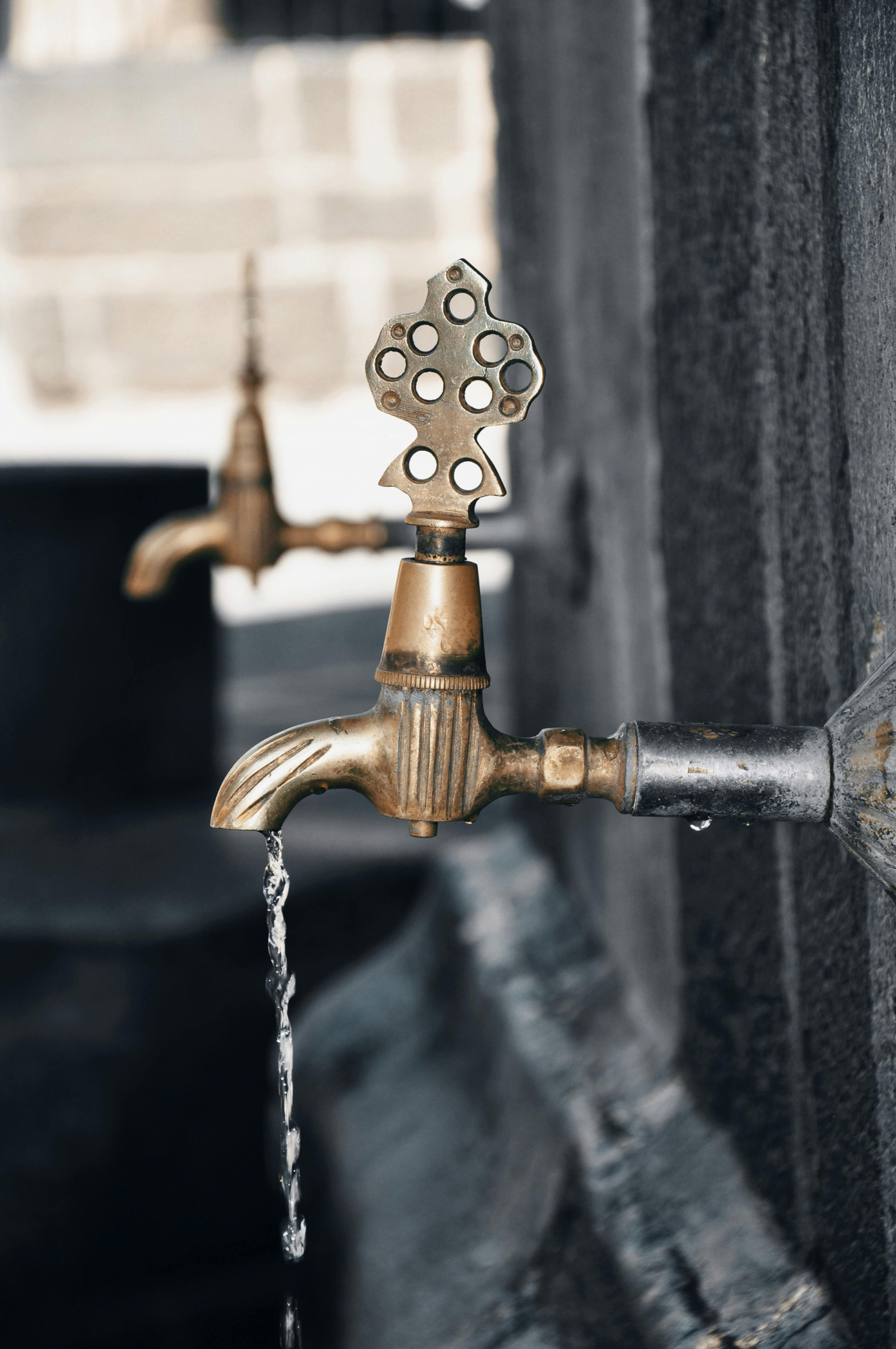
Before diving into the repairs, it’s essential to identify the type of faucet you have. Different faucets have unique mechanisms and require distinct approaches for fixing leaks. The four common types are:
- Compression Faucets:
- These are traditional faucets with separate hot and cold handles that you tighten to stop the water flow. They often leak due to worn-out washers.
- Ball Faucets:
- Commonly found in kitchens, ball faucets have a single handle that moves over a rounded ball-shaped cap. They contain many small parts, making them more prone to leaks.
- Cartridge Faucets:
- These faucets have a movable stem cartridge that controls water flow. They are usually found in bathroom sinks and are easy to repair.
- Ceramic Disk Faucets:
- These are modern and durable faucets with a single lever over a wide cylindrical body. They use ceramic disks to control water flow and are less prone to leaks.
Identifying the type of faucet you’re dealing with will help you choose the right tools and replacement parts.
Common Causes of Leaky Faucets
Understanding why faucets leak is the first step to fixing the problem. Here are the most common causes:
- Worn-out Washers: In compression faucets, the rubber washers that press against the valve seat can wear out over time, causing drips.
- O-ring Issues: In cartridge and ball faucets, a damaged or loose O-ring can lead to leaks around the handle.
- Corroded Valve Seat: Mineral deposits and corrosion can wear down the valve seat, causing leaks around the spout.
- Damaged Cartridge: In cartridge faucets, a worn-out cartridge can cause water to leak from the spout.
- Loose Parts: Continuous usage can loosen screws and nuts, leading to dripping.
- High Water Pressure: Excessive water pressure can lead to leaks, especially at night when water demand is low.
Tools Needed for Fixing Leaky Faucets
Having the right tools on hand will make the repair process much smoother. Here’s what you’ll need:
- Adjustable wrench or basin wrench
- Phillips and flat-head screwdrivers
- Penetrating oil (like WD-40) for loosening stuck parts
- Plumber’s grease for lubricating new parts
- Replacement parts (e.g., washers, O-rings, cartridges)
- Needle-nose pliers
- Teflon tape for sealing threads
- Allen wrench (hex key) for removing handle sets
Step-by-Step Guide to Fixing Different Types of Faucets
1. Fixing a Compression Faucet
Compression faucets are known for leaking due to worn-out washers. Here’s how to fix them:
- Turn off the Water Supply: Locate the shut-off valves under the sink and turn them clockwise to cut off water flow.
- Remove the Handles: Use a screwdriver to remove the screws on the handles. If they are stuck, apply penetrating oil.
- Take Out the Stem Assembly: Using an adjustable wrench, remove the stem assembly to reveal the washer.
- Replace the Washer: Inspect the rubber washer for wear and tear. Replace it with an identical one.
- Reassemble and Test: Put everything back together, turn on the water supply, and test the faucet.
2. Fixing a Ball Faucet
Ball faucets are complex due to their many small parts. A repair kit specific to your faucet model is recommended.
- Turn off Water Supply: Shut off the water and cover the drain to prevent losing small parts.
- Disassemble the Faucet: Use an Allen wrench to remove the handle. Lift off the cap and cam assembly.
- Inspect and Replace Parts: Examine the ball, springs, and rubber seats for wear. Replace damaged components.
- Reassemble and Test: Follow the manufacturer’s instructions to reassemble the faucet. Test for leaks.
3. Fixing a Cartridge Faucet
Cartridge faucets are easier to fix compared to ball faucets. Here’s how to do it:
- Shut Off Water Supply: Turn off the water using the shut-off valves under the sink.
- Remove Handle and Cartridge: Use a screwdriver to remove the handle. Pull out the cartridge with pliers.
- Replace the Cartridge: Take the old cartridge to a hardware store to find an exact replacement.
- Reassemble and Test: Insert the new cartridge, secure the handle, and test the faucet.
4. Fixing a Ceramic Disk Faucet
Ceramic disk faucets are durable but can leak due to sediment build-up. Here’s the fix:
- Turn off Water Supply: As always, start by shutting off the water supply.
- Remove Handle and Ceramic Cylinder: Use an Allen wrench to remove the handle. Lift out the ceramic cylinder.
- Clean and Reassemble: Clean the cylinder with white vinegar to remove sediment. Reassemble and test for leaks.
Preventive Maintenance Tips
To prevent future leaks and extend the lifespan of your faucets:
- Regular Cleaning: Clean faucet aerators and cartridges every six months to remove sediment build-up.
- Check Water Pressure: High water pressure can damage faucets. Ensure it’s between 40-60 psi.
- Use Quality Parts: Invest in high-quality replacement parts to ensure durability.
- Lubricate Moving Parts: Apply plumber’s grease during reassembly to minimize friction and prevent leaks.
When to Call a Professional
While DIY repairs are cost-effective, certain situations require professional intervention:
- Persistent Leaks: If the leak persists after multiple attempts, there may be an underlying issue.
- Corroded Pipes or Valve Seats: Extensive corrosion requires specialized tools and expertise.
- Complex Installations: For modern faucets with digital sensors or touchless features, professional help is recommended.
Conclusion
Fixing a leaky faucet is a rewarding DIY task that saves water, reduces utility bills, and prevents potential water damage. By understanding the type of faucet, identifying the cause of the leak, and using the right tools and techniques, homeowners can tackle this common problem with confidence. Additionally, routine maintenance can prevent future leaks and prolong the lifespan of faucets.
However, if the problem persists or if you’re dealing with complex installations, don’t hesitate to contact a professional plumber. With this comprehensive guide, you’re now equipped with the knowledge to take on leaky faucets and make your home more efficient and eco-friendly.
So the next time you hear that annoying drip, drip, drip – you’ll know exactly what to do!